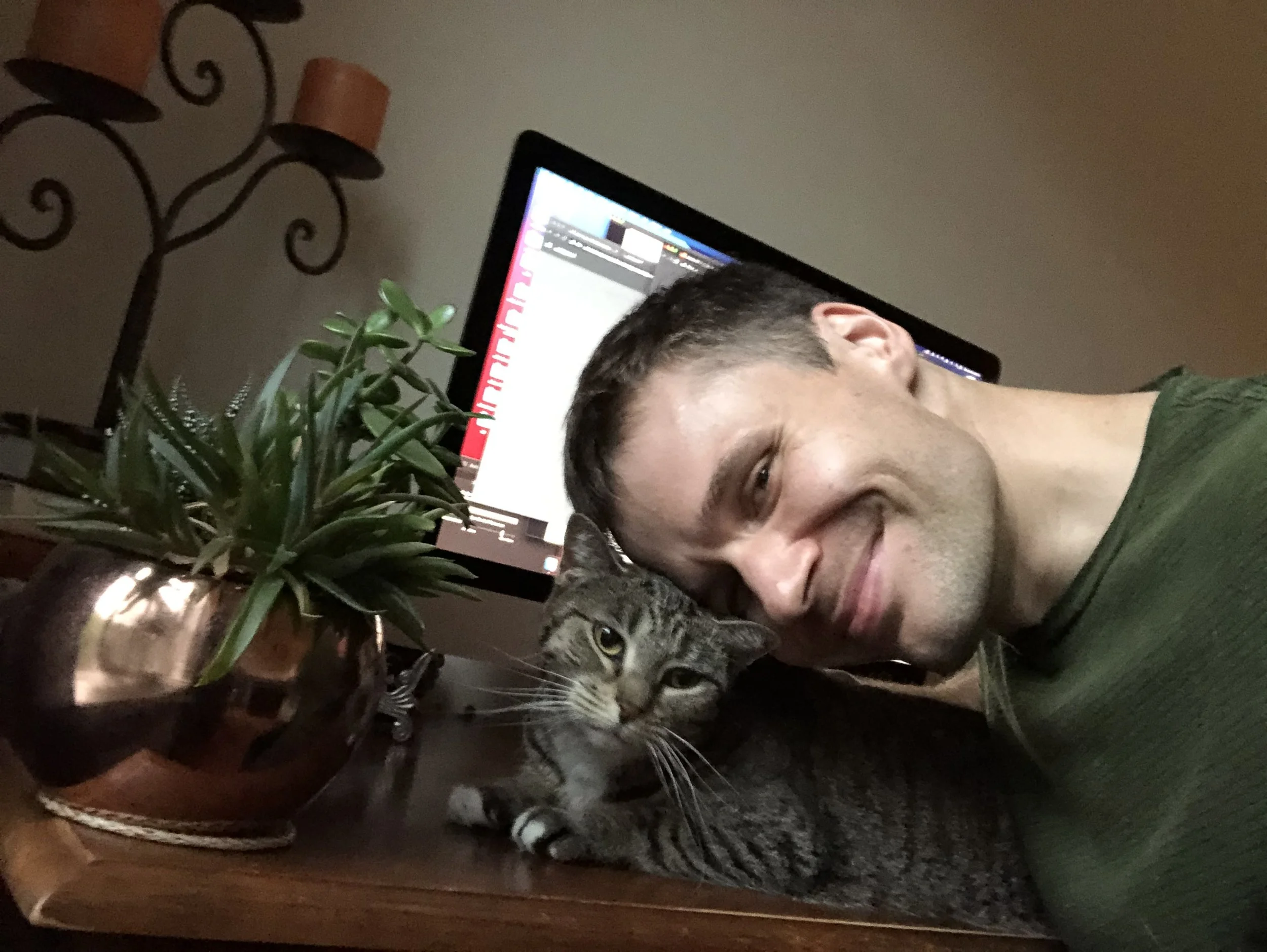
The pedagogical foundations of my approach to the classroom — and art making more broadly — by way of an extended metaphor about a cat.
Let’s say you’ve just moved into a new apartment. The boxes have yet to be unpacked, but the main furniture is more or less in place. You let your little kitty out of its carrier to introduce it to the new abode, and… it makes a beeline to hide under the couch. You peek down there. Its eyes are enormous and it won’t come out to eat or play to do any charming cat things.
The thing is, you have work colleagues coming over in an hour and your agent has really built up this cat in our colleagues’ imaginations (“You should’ve seen this cat’s Blanche!”). You absolutely have to introduce everyone to your cat, as way back in college, for reasons you can no longer fathom, you decided to stake your entire livelihood on the charming tricks your cat sometimes does for groups of total strangers.
The stakes are high. They’ll be here any minute. They’re expecting a cat show.
But your cat is still under the couch. It doesn’t know this apartment and it’s not sure it even likes you anymore and would you kindly buzz off thank you very much.
Yelling at the cat to come out from under the couch doesn’t work.
Dragging it out makes it distrust and resent you and learn to hate when company comes by.
You can’t force the cat to be curious and charming on your terms or timeline.
If you try any of these — and you’ve tried — you get scratched up and humiliated.
As cat owners, we can only really occupy ourselves with creating conditions in the apartment that our particular cat likes. (The food dish is well placed. The water is fresh. There are lots of toys, bookshelves, windows, textures.) When we’re completely and relaxedly busy with these other things is often when the cat comes out to explore its new world.
But when company comes over, you can’t ask it be some other kind of cat (“Be a Meryl cat! Be a Daniel Day cat!”). It’ll just run back under the couch and develop neuroses around other cats, your agent, and threaten to never play in public again.
Your cat — bless it — is your cat, not someone else’s.
You’ve decided to be a cat owner.
As cat owners, we live our lives in service of the cat, not the other way around.
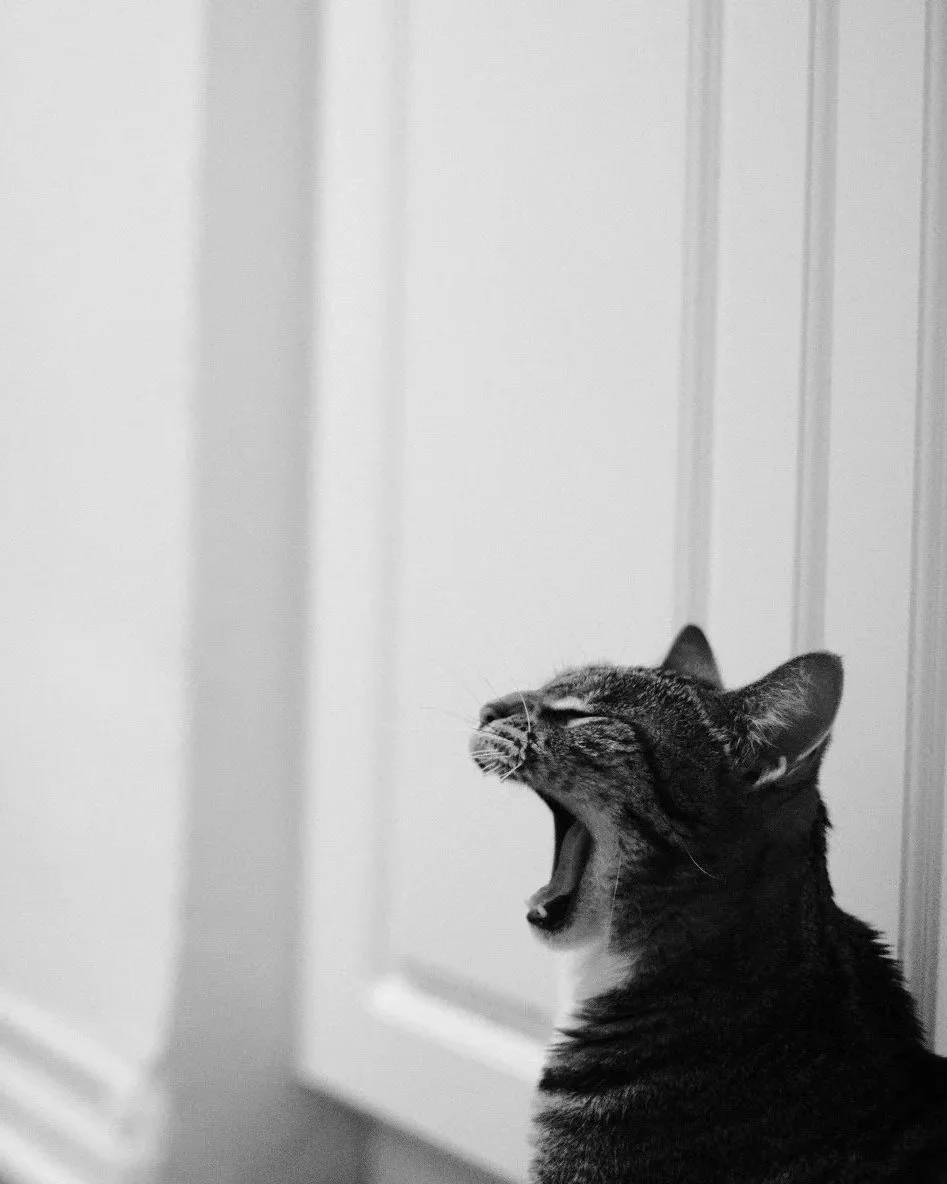
Okay, so, you probably see where I’m going with this.
The vast majority of actors I meet have internalized the voices of the Whole Big Nasty World and are shouting at their talent at the top of their lungs to deliver the goods (so they can book the series! so they can pay the rent!). In doing so they make the part of themselves that’s most interesting and most vital to the creative act run and hide. I did this myself, to myself, for a number of years. It was awful, no good, I super don’t recommend.
Our job in the classroom is to create inner and outer conditions — through both craft and play — for your highly individual talent to feel emboldened, explore, and make the room (the character, the scene) its playground.
In my classes, sometimes we come at this straight on via scene work and foundational technique. Other times we approach things from the side, through games and exercises designed to help you have the felt experience of remembering what serious play feels like. In this way, we begin to allow that little creature in all of us to take a larger role in our artistic lives. We make room for our talent to surprise us.
And, god willing, we make the rent.